Two things kill most houseplants: too much water and too little light. Beginner plants are the ones that shrug off both. Pothos, snake plant, spider plant and a few others have earned that label because they forgive the mistakes new owners make in the first year.
Pick the right plant and half the work is done.
Which Houseplants Are Best for Complete Beginners?
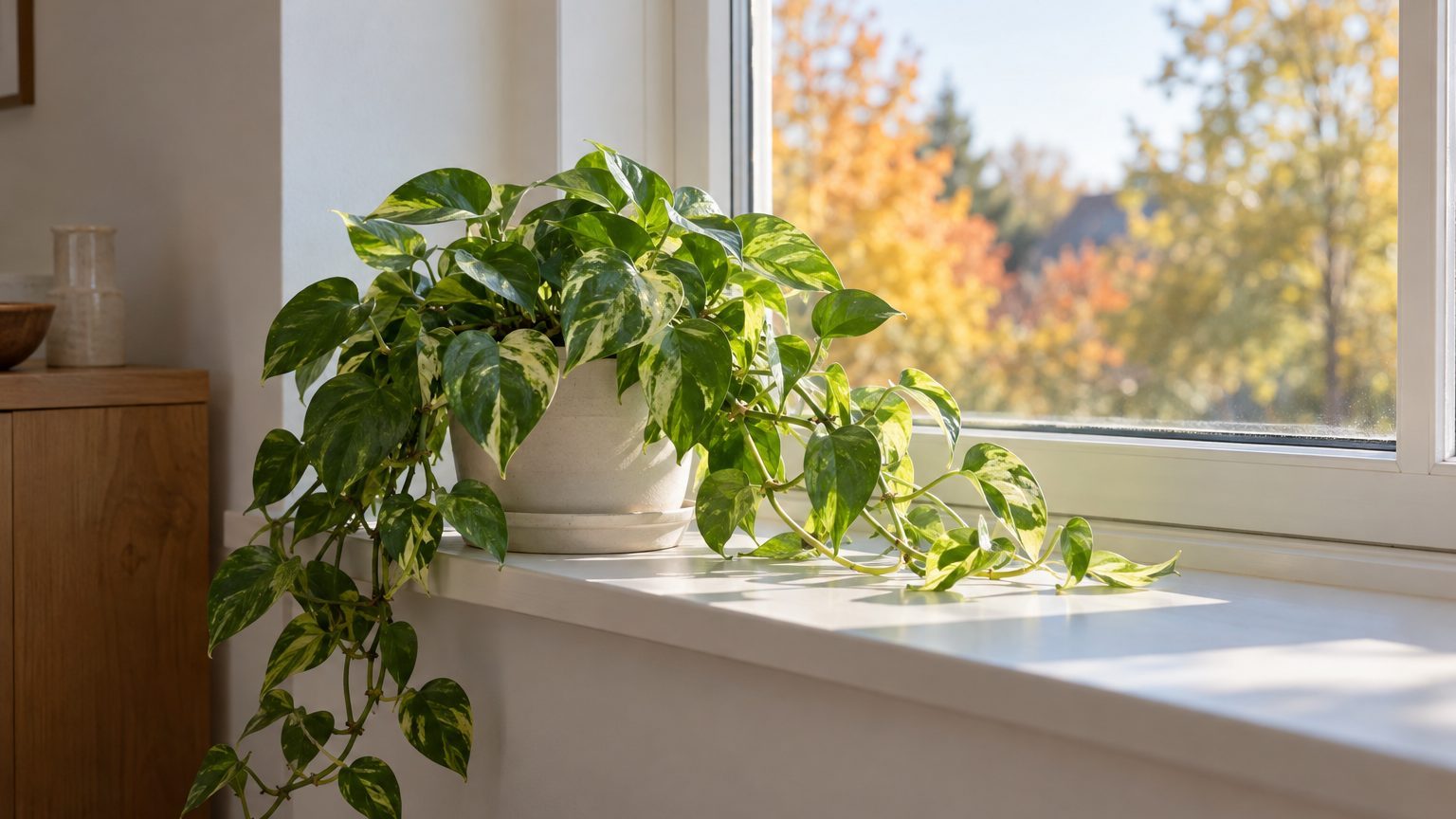
Pothos, also called devil’s ivy, is the usual first pick. Its heart-shaped leaves often carry cream, yellow or silver streaks, and the vines either trail from a shelf or climb a trellis. A cutting placed in water usually grows roots within a few weeks, so one plant can easily become three.
Snake plant and ZZ plant suit people who travel or simply forget. Both store water in thick leaves or underground stems, so a late watering costs them very little. They also put up with uneven light, which is why they turn up in so many offices. Snake plant grows upright, too, so it fits a narrow corner where a trailing vine would not.
Spider plant is just as easygoing. It likes indirect light and average moisture. It also sends out small plantlets on long stems, and you can snip these off and pot them as new plants.
Pothos is toxic to cats and dogs, while spider plant is considered safe.
Ponytail palm is not a true palm. It is a drought-tolerant succulent with a swollen trunk that holds water, which makes it a good match for anyone who forgets. Aloe and Chinese evergreen round out the short list. Aloe wants bright light and soil that dries out between waterings, while Chinese evergreen is happy with less sun.
How Much Light and Water Do Beginner Plants Really Need?
Start with light, because water and light work as a pair. Leaves turn light into food, and a plant in a dim room uses very little water. The soil then stays wet for days, and the roots suffer. That is how low light and overwatering end up being one problem.
Most beginner plants do well in bright, indirect light. That means a spot near a window where the sun does not beat straight onto the leaves. Snake plant and ZZ plant will tolerate dimmer rooms, though they grow slowly there. Aloe and jade plant ask for more, so give them a sunny sill. If a plant stretches toward the window with long, pale growth, it is asking for more light.
Water comes next, and the calendar should stay out of it. A plant’s thirst changes with the season, the light and the room, so a fixed Sunday routine will sooner or later give it too much or too little.
Use your finger instead. Push it one to two inches into the soil. If the soil feels damp, wait, and if it feels dry, water well until the extra drains out of the bottom. That wet-dry rhythm gives roots water first and air afterward, and roots need both.
When in doubt, wait one more day.
Succulents such as aloe, jade and ponytail palm like the soil to dry even more thoroughly between drinks. Their leaves and trunks already hold a reserve. Watering them like a fern fills the pot with moisture they never asked for.
What Common Beginner Mistakes Kill New Houseplants?
Overwatering tops the list. Roots that sit in wet soil for long stretches develop root rot, and rotting roots can no longer take up water. The plant wilts, the owner reads that as thirst and waters again. Yellow leaves, leaf drop and tiny fungus gnats are the usual warning signs.

The container often makes things worse. A pot with no drainage hole turns the bottom into a swamp, and a saucer full of water does the same thing. If a decorative pot has no hole, keep the plant in a plain nursery pot inside it. Lift it out to water, let it drain, then set it back.
Size matters too. A pot that is far too big holds extra soil, and extra soil holds extra water that the roots cannot use. Choose a pot only slightly larger than the root ball. Old, compacted soil also stays wet longer, so a fresh, well-drained mix helps when a plant has been in the same pot for years.
Smaller habits add up as well. Misting leaves is a habit worth dropping, since it does little for most of these plants. Fertilizer only needs to come now and then, and extra feeding on top of heavy watering is a recipe for trouble. Repotting on the day you bring a plant home is another common slip, because the plant is already adjusting to new light and a new spot.
Most of these mistakes come from caring too much.
One more error happens before any watering at all. Buying a plant that does not fit your home or your routine sets it up to fail. If you travel often, a ZZ plant or ponytail palm will cope far better than a thirsty fern. Be honest about how much attention you will really give.
How Do You Choose a Healthy Plant at the Store?
A sick plant at checkout stays sick at home. Look for a vigorous, disease-free plant with even color. Leaves that are spotted, distorted or washed out point to a problem that started on the shelf.
Check the details most shoppers skip. Lift a few leaves and look underneath for insects or sticky residue. Look at the soil surface, because mold or tiny flying gnats suggest the soil has been kept too wet. Then check the stems near the soil line, since brown, black or mushy stems point to rot. Those two minutes can save you months of rescue work.
Read the tag before you fall for the look. It tells you the light the plant expects, and that detail should match the window you have. Measure the spot if you need to. A plant in the right place needs far less fixing later.
Once the plant is home, leave it in its nursery pot for a few weeks. It is getting used to new light, new air and a new watering routine, and a fresh pot adds another change on top. When roots start to poke from the drainage holes, that is a better cue to repot than the calendar.